

How Farmers Can Save Tax in Northern Ireland
For many farmers, tax planning only becomes a priority when the accountant calls asking for the year-end figures. By then, it's often too late to make meaningful savings.
The truth is that good tax planning isn't about avoiding tax. It's about making smart decisions throughout the year that leave more money in your business.
And here's something that might surprise you. Paying tax isn't necessarily a bad thing. If you're paying tax, it usually means you've made a profit. Most business owners would rather pay tax on healthy profits than make no money at all.
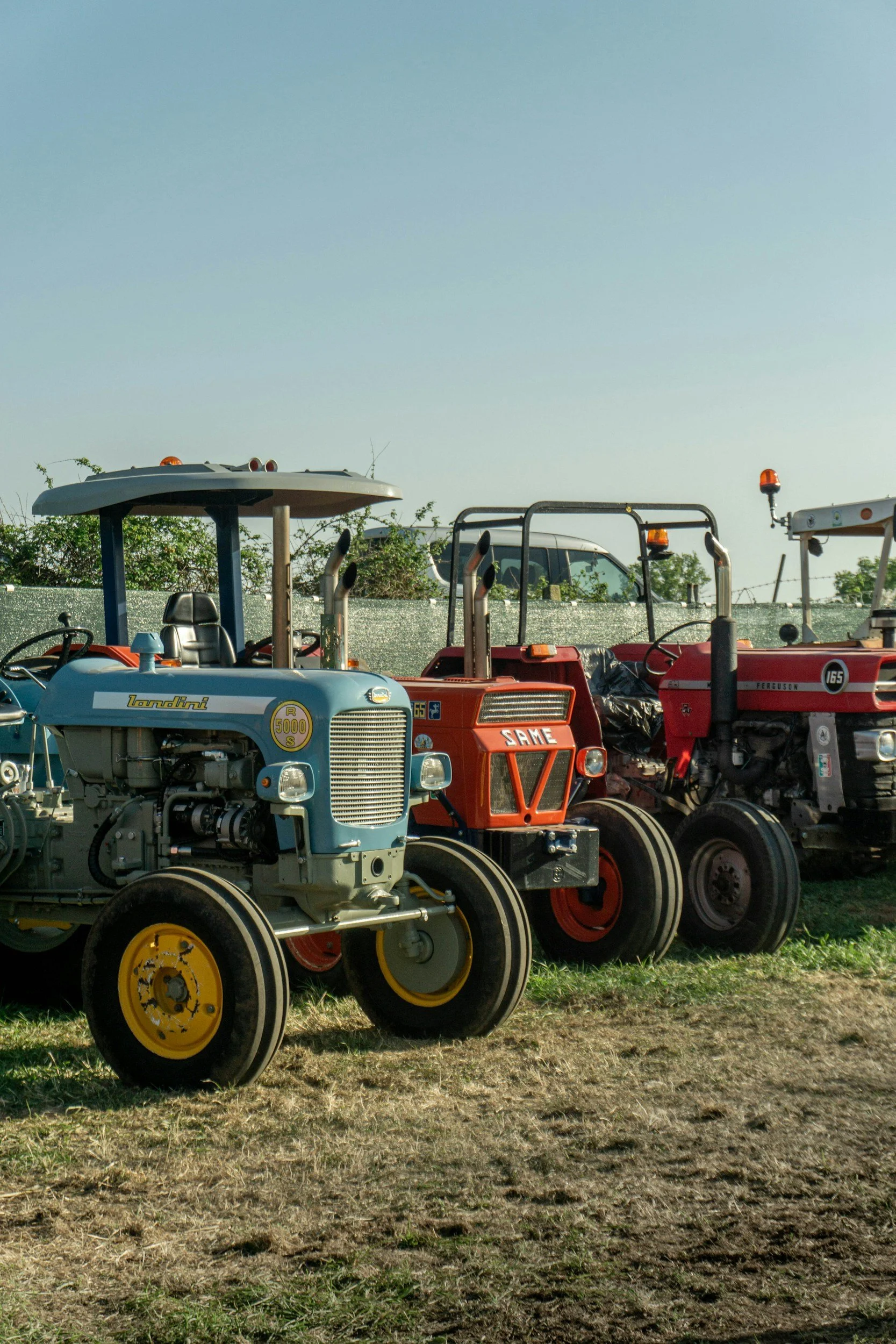
Don't Buy a Tractor Just to Save Tax
It's one of the oldest conversations in farming.
"We'd better buy a new tractor before the year ends. It'll save us tax."
But ask yourself one question.
Do you actually need the tractor?
Buying a £120,000 machine simply to reduce your tax bill rarely makes financial sense if the existing one is doing the job perfectly well.
Yes, capital allowances can reduce your taxable profits, but you've still spent £120,000 to save a fraction of that in tax.
The better approach is simple. Invest when the investment genuinely improves your business, not because the tax year is coming to an end.
Claim Every Expense You're Entitled To
While you shouldn't spend money unnecessarily, you should make sure you're claiming everything you legitimately can.
Feed, fertiliser, veterinary costs, machinery repairs, fuel, insurance, professional fees, and many other day-to-day farming expenses can reduce your taxable profits.
Good record keeping throughout the year makes this much easier and helps ensure nothing gets missed.
Review How Your Farm Is Structured
The way your farm operated twenty years ago may not be the most tax-efficient structure today.
Whether you're trading as a sole trader, partnership, or limited company can have a significant impact on your tax position.
As your business grows, it's worth reviewing whether your current structure is still the right one.
Make the Most of Agricultural Reliefs
Northern Ireland farmers have access to valuable reliefs that can make a significant difference over the long term.
Agricultural Property Relief (APR) and Business Property Relief (BPR) can help reduce Inheritance Tax liabilities and play a key role in protecting family farms for future generations.
These reliefs can be incredibly valuable, but only if they're planned for properly.

Plan for the Next Generation
For many farming families, succession is one of the biggest financial challenges they'll ever face.
Waiting until retirement to think about handing over the farm can create unnecessary tax bills and uncertainty.
Starting those conversations early gives you more options and helps ensure the farm can continue successfully for generations to come.
Speak to Your Accountant Before It's Too Late
The best tax planning happens before decisions are made, not after.
Meeting your accountant during the year gives you the opportunity to plan investments, review profits, and make informed decisions while there's still time to act.
Good advice can often save far more than a last-minute rush to buy equipment that wasn't needed in the first place.
The Bottom Line
Saving tax is important, but it should never become the only objective.
A profitable farm that pays some tax is almost always in a stronger position than a farm that's losing money simply to avoid a tax bill.
The goal isn't to pay no tax. The goal is to build a profitable, sustainable farming business while making full use of the reliefs and allowances available to you.
Smart tax planning isn't about spending money for the sake of it. It's about making the right decisions at the right time and keeping more of what you've worked so hard to earn.
Disclaimer: This article is intended for general information only and should not be taken as tax advice. Tax rules vary depending on individual circumstances, and farmers should seek professional advice before making financial or business decisions.